
How to Build a Stronger Student Community on Campus

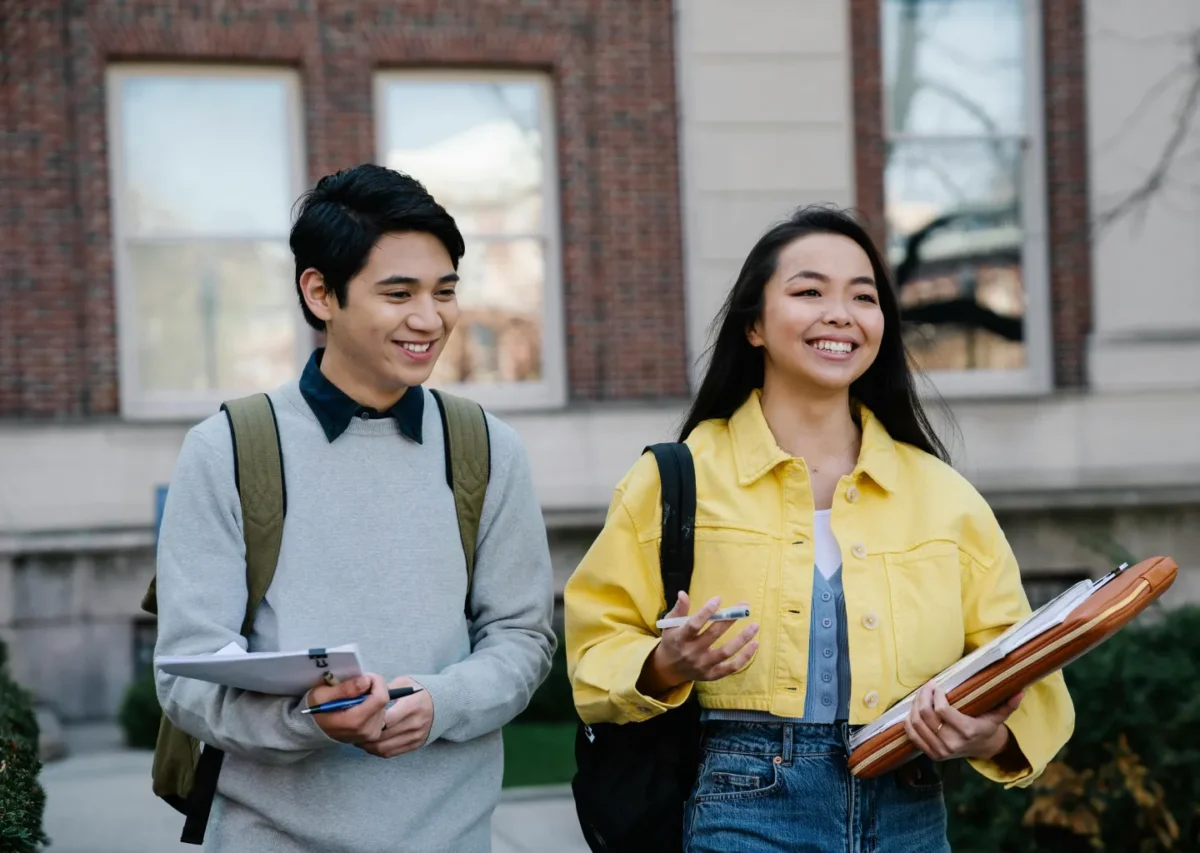
College is supposed to be one of the most connected times of your life. You’re surrounded by hundreds or thousands of people your age, living in the same buildings, taking the same classes, eating in the same dining halls. And yet, loneliness on campus is at an all-time high.
The truth is, proximity doesn’t create community. Intentional effort does.
Whether you’re a student affairs professional, a resident advisor, a student leader, or just someone who wants their campus to feel more like home, here’s what actually works when it comes to building genuine connection among students.
Start with psychological safety, not just social events
Most campuses default to the same playbook: orientation week mixers, club fairs, game nights. These are fine, but they rarely create the kind of deep connection students are actually craving.
What students need first is to feel safe being themselves. That means creating spaces where vulnerability is modeled, not just encouraged. When student leaders and faculty share their own struggles — with imposter syndrome, homesickness, academic pressure — it gives others permission to do the same.
Before you plan another icebreaker event, ask yourself: does this space make people feel seen, or just entertained?
Build rituals, not just one-off events
One of the biggest mistakes campus communities make is putting all their energy into big events that happen once and then disappear. A single welcome week doesn’t build community. Repeated, consistent rituals do.
Think about weekly informal check-ins in the dorm. Monthly community dinners in a department. A shared tradition that every cohort participates in. These recurring touchpoints give students something to look forward to, a sense of continuity, and the repeated exposure that turns acquaintances into actual friends.
Community is built in the in-between moments, not just the highlights.
Train students to actually listen to each other
Here’s something that doesn’t get talked about enough: most people are bad at listening. Not because they’re selfish, but because nobody ever taught them how.
When you put two students together who are both waiting for their turn to talk, you don’t get connection — you get parallel monologues. Real community happens when people feel genuinely heard.
This is where platforms like Empathable come in. Empathable is a tool designed to help people practice empathy and active listening in a structured, accessible way. For campuses looking to build a culture of genuine connection, it can be a powerful complement to existing wellness and community-building programs. When students learn how to hold space for each other — not just exchange pleasantries — the quality of relationships across the entire campus shifts.
Make it easy to ask for help and offer it
Strong communities aren’t just fun — they’re functional. Students should feel like their campus is a place where they can ask for help without shame, and where offering help is a normal, everyday thing.
This means reducing the friction around support. Clear channels for peer tutoring, mental health resources that don’t feel clinical and intimidating, RAs who are trained to have real conversations rather than just enforce rules.
When asking for help feels normal, stigma goes down and connection goes up.
Don’t forget the students on the edges
Every campus has students who are invisible to the community-building efforts: commuters who aren’t around in the evenings, international students who feel culturally isolated, first-generation students who don’t feel like “campus life” was designed for them.
Strong communities are intentionally inclusive, not accidentally exclusive. That means going to where those students are, asking them what they need, and designing programming that actually fits their lives — not just the traditional residential student experience.
Measure connection, not just attendance
Headcount at events is a vanity metric. A room full of people on their phones isn’t community.
Instead, ask: do students feel like they belong here? Do they have at least one person on campus they could call in a hard moment? Are they showing up for each other outside of formal programming?
These are harder to measure, but they’re the right questions. Simple pulse surveys, end-of-semester reflection circles, and honest conversations with student leaders will tell you far more than sign-in sheets.
The bottom line
Building a strong student community isn’t about having the best events calendar. It’s about creating the conditions where real human connection can happen — repeatedly, safely, and across difference.
That takes intentional design, trained people, and the right tools. But when it works, it changes the entire texture of campus life. Students don’t just graduate with a degree — they leave with a sense of belonging that stays with them long after they walk across that stage.
And that’s worth building.